Two numbers do not fit together.
In 2021 UNICEF published Seen, Counted, Included, its most complete analysis of data on children with disabilities. It estimated that nearly 240 million children worldwide have a disability: about one child in ten. The report drew on data from 42 countries and more than 60 measures of child well-being.
In Tanzania, the Ministry of Education's 2025 learning product, as reported by Daily News, found that children with disabilities made up only 0.4% of children enrolled in pre-primary education in 2023, about 6,892 children.
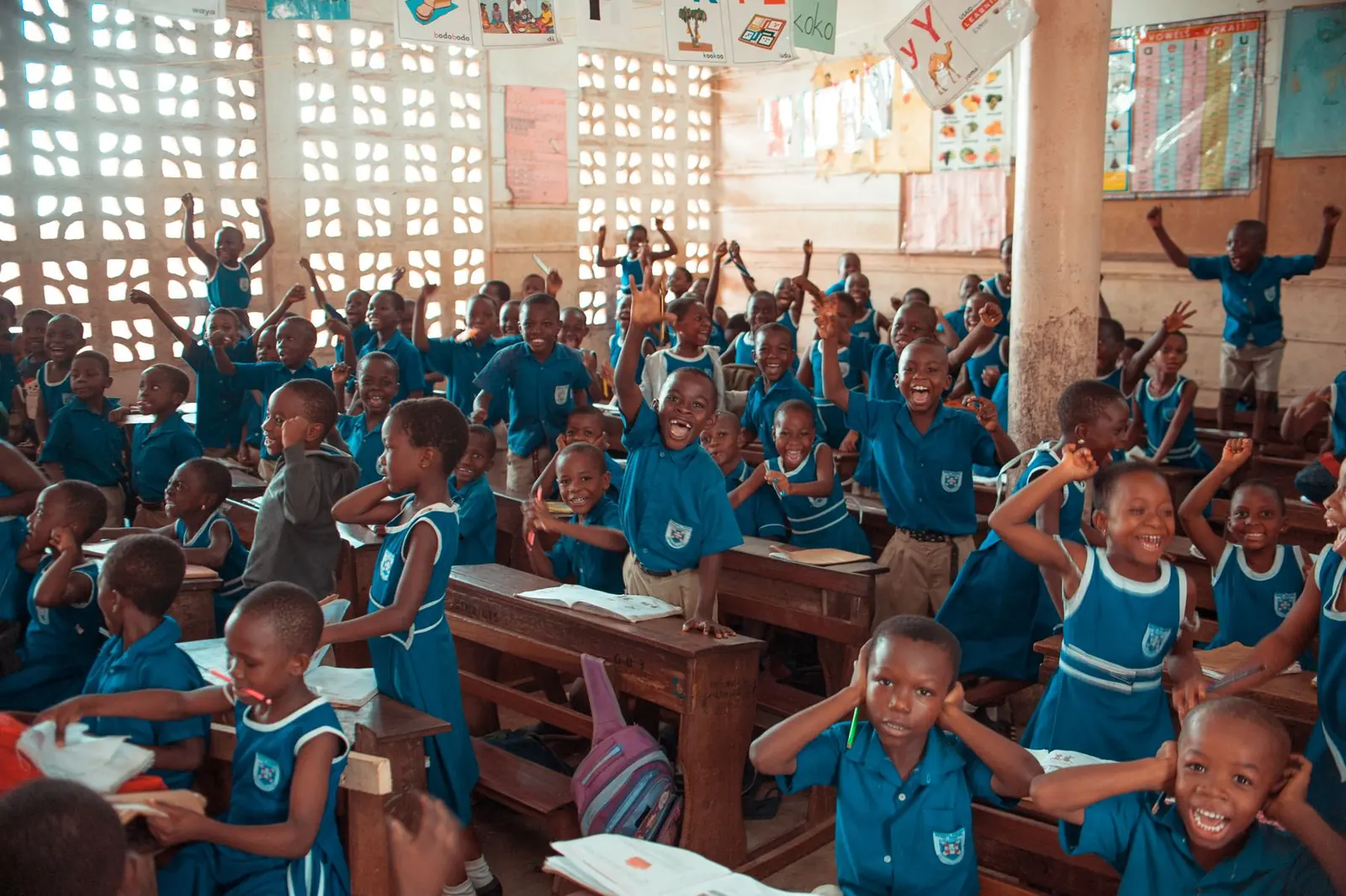
Disability is not rarer in Tanzanian classrooms. Most of these children are there, or should be. They are simply not counted.
A child who is not noticed is never written down
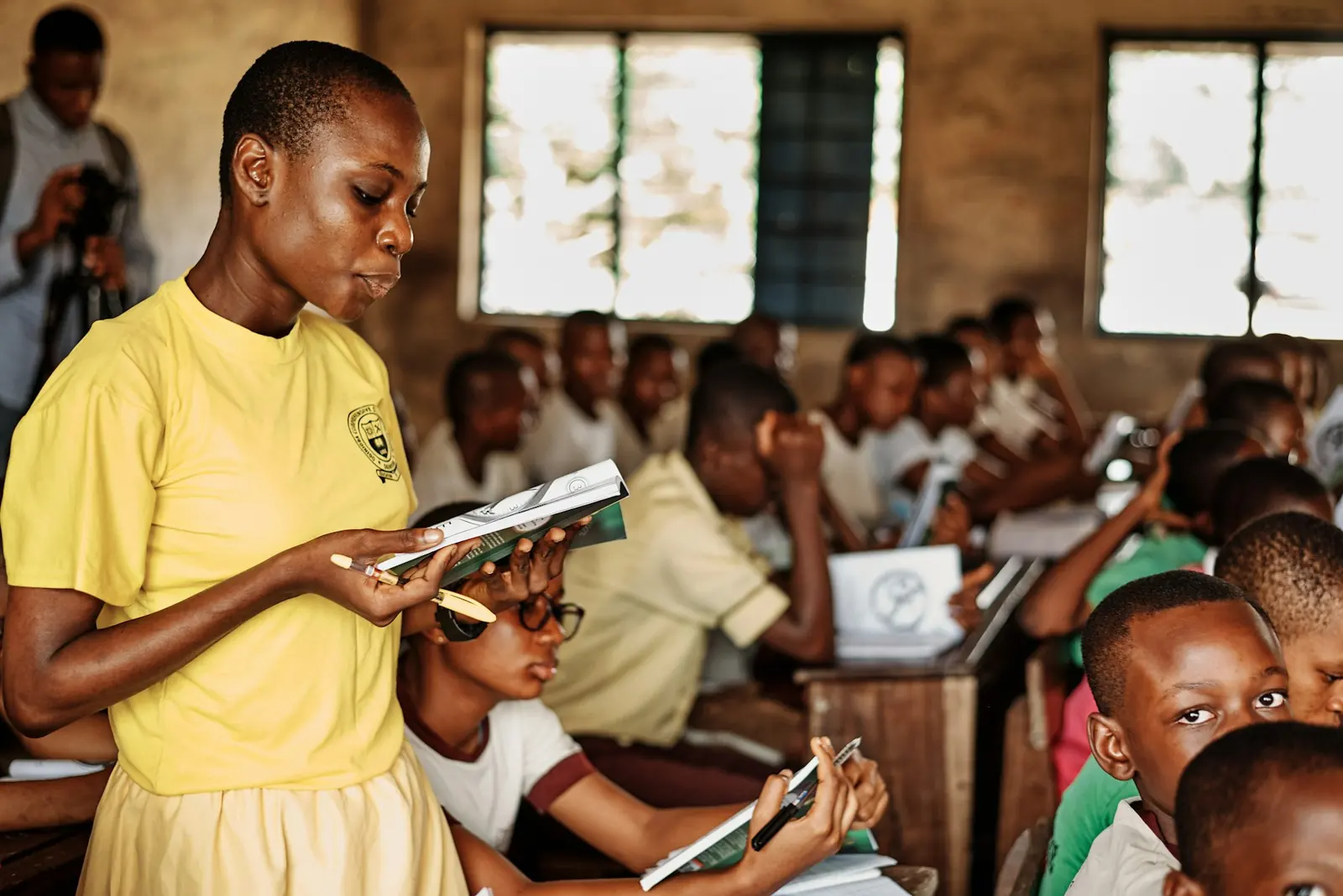
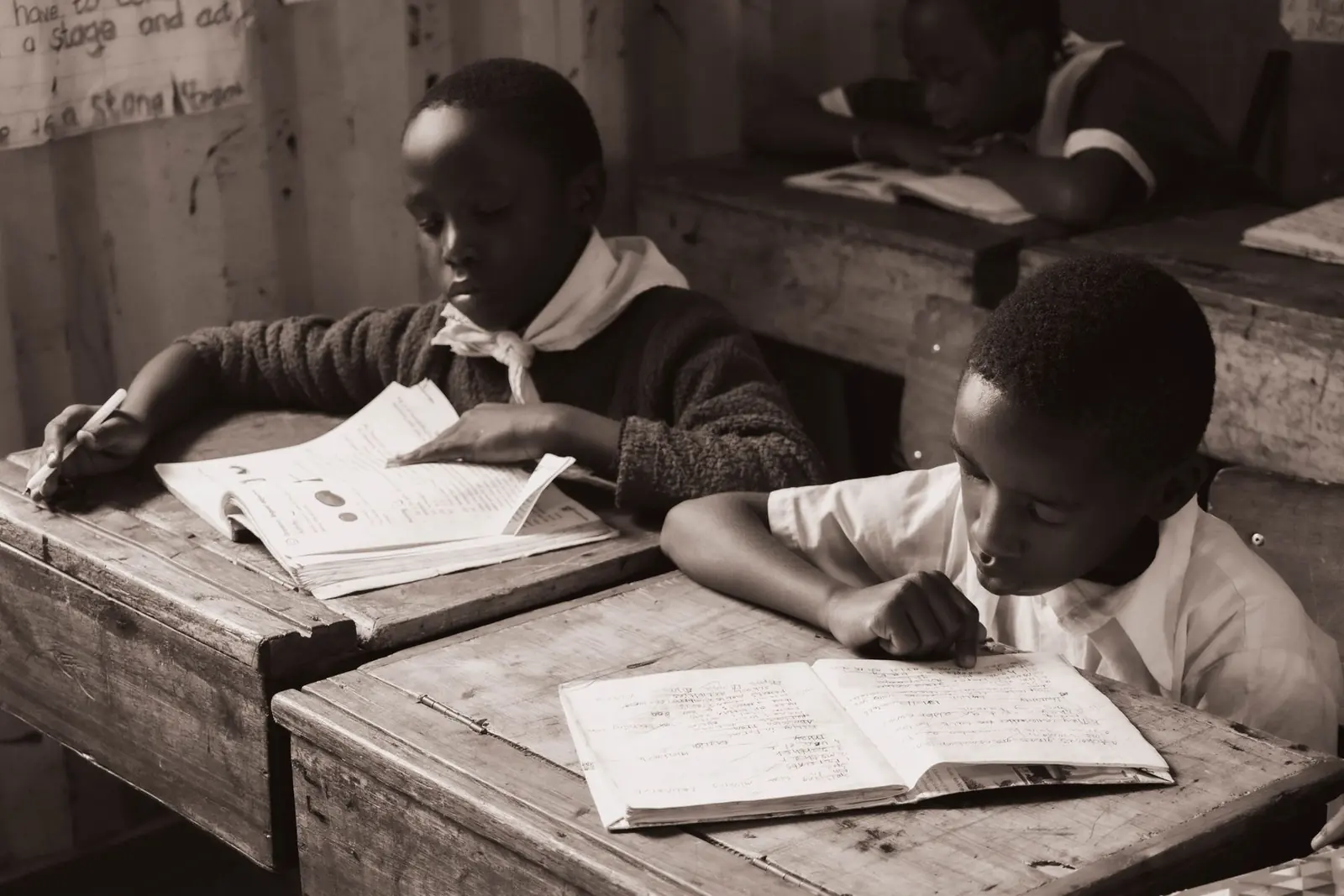
School records count what someone has identified. If a teacher has never been asked whether a learner struggles to hear from the back of the room, that difficulty does not exist on paper. The child is enrolled, but the support that should follow never starts.
The same UNICEF report found that children with disabilities are disadvantaged on most measures of well-being, and that children who have difficulty communicating or caring for themselves are the most likely to be out of school at every level.
Why identification comes late
Reporting from Tanzania points to the same causes again and again:
- Teachers have no simple tool. Tanzania recognises many categories of special educational needs, and stakeholders have asked whether teachers are trained to notice them. Without a clear set of questions, a struggling learner is easily read as lazy or slow.
- Assessment is far away. Education Support Resource and Assessment Centres (ESRACs) exist to assess and support learners, but a child has to be noticed and referred first.
- Late means harder. Advocates working on early identification say many children with visual, hearing and learning difficulties are identified only after years in school, when they have already fallen behind.
What helps
Tanzania's National Strategy for Inclusive Education for 2021 to 2026 sets out to strengthen identification and support, and the Ministry's guidelines for identifying and assessing learners with special educational needs give schools a framework. What is often missing is the first step in the classroom.
That step does not need a diagnosis. It needs a teacher who asks plain questions about what each learner can do, writes the answers down, and knows what to do next: adjust the classroom today, and refer the child for assessment when it is needed.
This is the gap Tambua is built for. Every learner screened is one more child who is seen, counted, and on a path to support.
Sources
- UNICEF, Seen, Counted, Included: Using data to shed light on the well-being of children with disabilities, November 2021.
- Ministry of Education, Science and Technology, 2025 learning product on in-school screening, identification and assessment, as reported by Daily News (Tanzania).
- The Citizen and Daily News reporting on inclusive education and early identification in Tanzania, 2025 and 2026.
Was this helpful?
Share this post
Comments
Comments need a Tambua account, so every name is real. Anyone can read and react.
Sign in to comment